Admission 2026 is Open!




7 August 2026
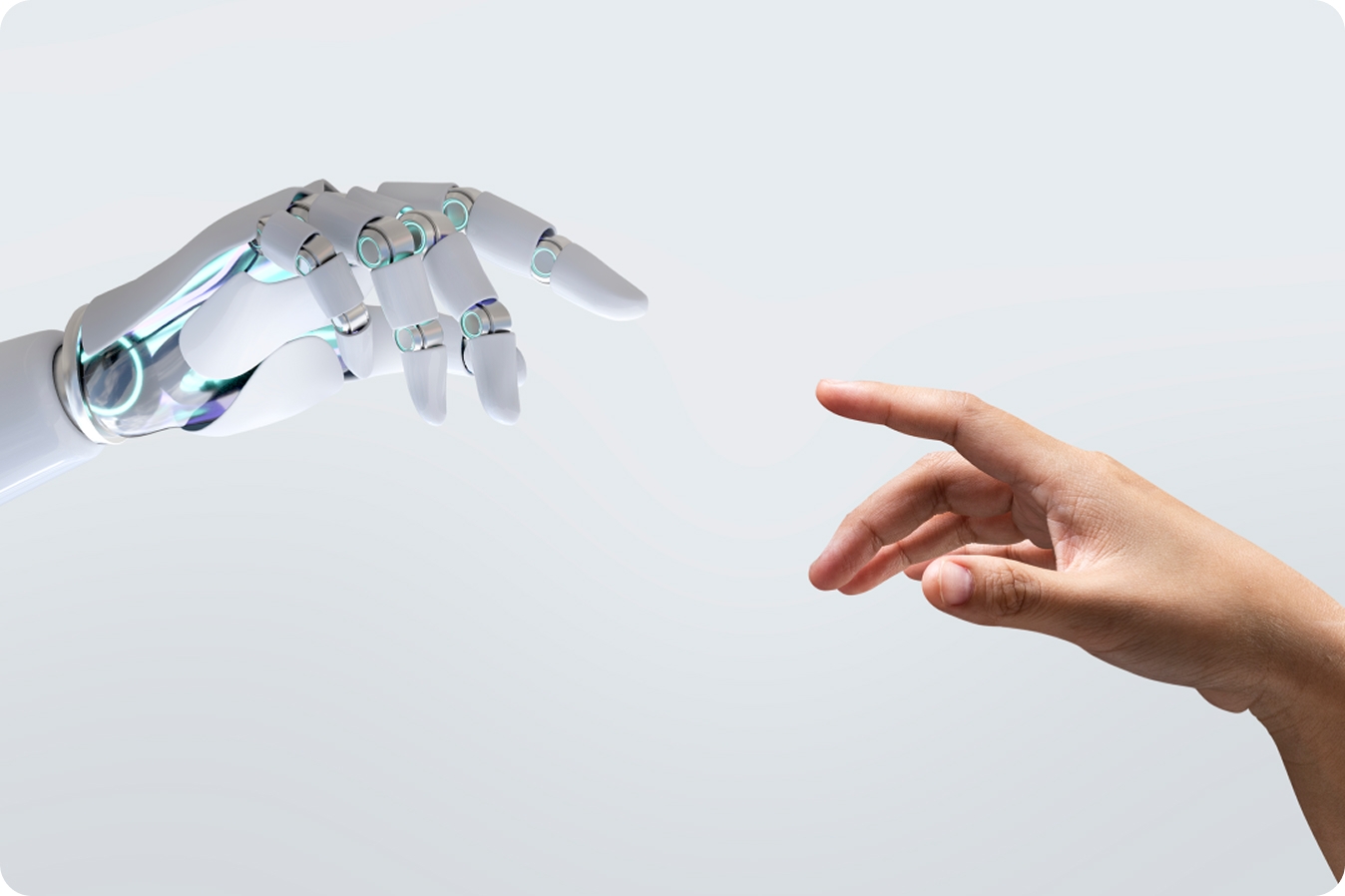
Today AI can draft your report, analyze your data, and even mimic your tone of voice and facial expressions. What it still can't do is read the room, calm an anxious client, or rebuild motivation after a burn out.
Psychologist Daniel Goleman, who popularized the concept of emotional intelligence, has long argued that self-awareness and empathy determine how far talent and technical skill can actually take you.
The numbers why Emotional Intelligence (EQ) is becoming the defining leadership skill of the AI era back up:
- PwC 's Global CEO Survey found that most CEOs expect AI to fundamentally reshape how their companies create and capture value within a few years — but roles most exposed to AI are also seeing the sharpest rise in demand for adaptability and interpersonal skills, not less
- TalentSmart's long-running research found EQ to be one of the strongest predictors of workplace performance — long before generative AI ever entered the picture
- A LinkedIn survey found that 57% of business leaders now rank EQ and other soft skills above technical ability when hiring
- Even the leaders of the world's biggest AI companies agree - Nvidia CEO Jensen Huang has pointed out that as AI commoditizes raw processing power, the qualities that set people apart are the distinctly human ones — empathy, perception, wisdom, and the ability to read a room
The takeaway for tomorrow's managers, HR leaders, and entrepreneurs: AI fluency will get you in the room. Emotional intelligence is what makes you effective once you're in it.
This is exactly why British Management University in Tashkent builds emotional intelligence, people leadership, and communication skills directly into our Master's programs — alongside the analytical and digital skills the modern economy demands. We're preparing leaders who don't just work alongside AI, but who lead the humans AI can't replace.